Turkey with Pea Pods

My father managed a dairy farm so beef was a staple in our family. My mother used to make beef and pea pods, always one of everyone’s favorites. Here’s my version using turkey tenderloin rather than beef. Serves 2-3.

Into a gallon food storage bag, add:

2-3 tablespoons arrowroot

1/4 teaspoon salt

1/4 teaspoon garlic powder

1/8 teaspoon ground black pepper

Shake (close first) to combine and then add:

6-8 ounces turkey tenderloin, cut into slices (about 1/8″ thick)

Seal and shake to coat the turkey with the arrowroot mixture. Put in the refrigerator for at least 1 hour but up to overnight. When ready to start cooking, heat a 12″ skillet over medium heat with:

1 tablespoon olive oil

When shimmering add and saute until slightly softened:

1 medium onion, cut in half and then thinly sliced

2 teaspoons minced garlic (2 cloves)

1 large or 10 baby carrots, thinly sliced on the diagonal

5 celery stalks, thinly sliced on the diagonal

6-8 ounce bag of pea pods, remove the strings and then cut into several pieces on the diagonal

1 medium sweet bell pepper, sliced thin

In a 2 cup bowl, combine:

1 cup soy sauce substitute (if you can have soy, feel free to use soy sauce but reduce to 1/2 cup and increase the stock to 3/4 cup)

1 tablespoon fish sauce

1/2 tablespoon sesame oil

1/4 cup chicken (or turkey) stock

1 1/2 tablespoons arrowroot (or tapioca starch)

1 teaspoon siracha (optional)

Whisk to combine. In a separate skillet, heat over medium heat:

1 tablespoon olive oil

1 teaspoon sesame oil

When shimmering, add the turkey and saute, turning once, until cooked about 2 minutes per side depending on thickness. I had to do this in 2 batches since the turkey shouldn’t be crowded in the pan (we don’t want it to steam!). Add to the vegetables. When all the turkey is combined with the vegetables, stir in the sauce mixture and cook for about 1 minute until thickened and coating all the vegetable mixture. If needed, add more chicken stock by tablespoon. Serve, garnished with sesame seeds and/or sliced scallion greens.

Lemon Sauce for desserts

Another easy quick sauce.

In a small saucepan combine:

1/2 cup date sugar (agave nectar, honey, or use 1/2 teaspoon monk fruit powder)

2 tablespoons arrowroot

3/4 cup water

zest and juice (1/4 cup) of 1 lemon

Whisk over medium high heat until thickens, about 3-5 minutes. If a richer taste is desired, when thickened, whisk in:

2 tablespoons avocado oil (or vegan butter or margarine)

Serve warm.

Vanilla Sauce for desserts

Here’s a very easy, quick recipe to use instead of whipped toppings.

In a small saucepan combine:

1 cup non-dairy milk

1 tablespoon arrowroot (tapioca or corn starch also work)

1 tablespoon date sugar (agave or coconut nectar, honey, or 1/8 teaspoon monk fruit powder)

1 teaspoon vanilla extract (or vanilla powder)

Whisk over medium high heat for about 2 minutes until mixture thickens. Serve warm or hot. Mixture will thicken as it cools. Store leftover sauce in the refrigerator and reheat before serving.

Gluten-Free Sandwich Bread

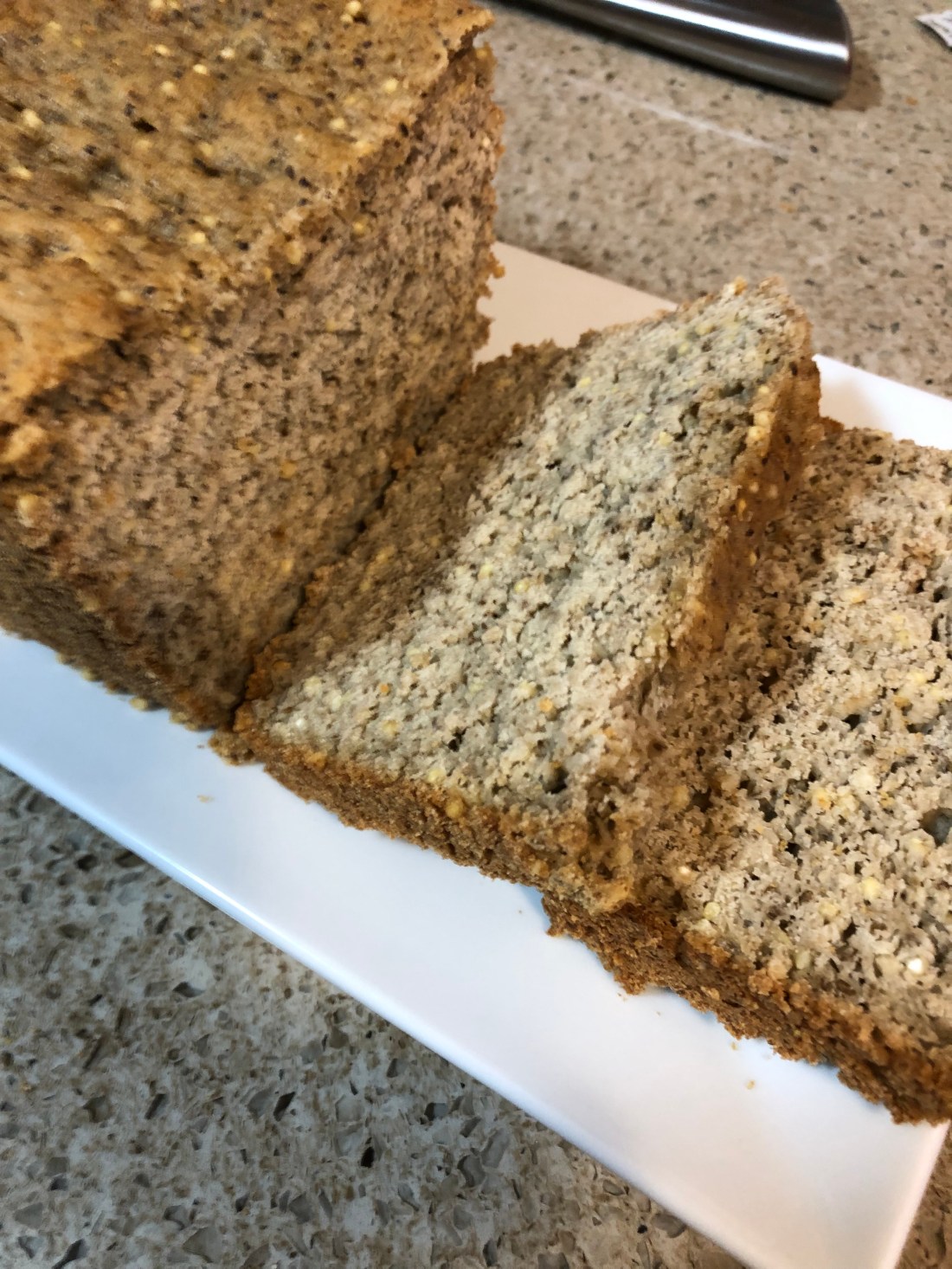
I’ve often said on this blog that I’ve been searching for a bread recipe that doesn’t turn out like a brick or is gummy. That’s very difficult when eggs aren’t included in the recipe. Flax gel and other egg substitutes just don’t seem to work well in breads. I may, however, have finally found the answer. Here’s a bread recipe that I’ve just made, raises very nicely, is very easy to make, even with the yeast. It’s really not that difficult to use yeast, the correct temperature to activate yeast is between 98 and 101 degrees so lukewarm like baby formula. And it tastes delicious!

Grease an 8×4″ loaf pan. In a 2-cup bowl, heat in the microwave for 40-45 seconds:

1 cup non-dairy milk

When you take it out, stir it a little then test it with your finger or put a drop on your wrist. It should be lukewarm, your body temperature so if you put a drop on your wrist, it shouldn’t feel hot or cold. If it feels cool, put it back in the microwave for 5-10 seconds more. If it feels too hot, stir with a metal spoon and whisk in:

2 teaspoons date sugar

This should help cool it down but test it again. If it already feels lukewarm on your wrist go ahead and add the date sugar along with:

2 1/2 teaspoons active dry yeast

Whisk in the yeast and set aside for 10-15 minutes. If your yeast/milk mixture doesn’t start bubbling (foaming) in the first 5 minutes, it’s no good, throw it out and start again.

While the yeast works, in a large bowl combine:

1 cup millet flour

1 cup oat flour

1/2 cup arrowroot

1/2 cup tapioca starch (or flour)

1/4 cup quinoa flour

1/4 cup whole millet (optional)

1 teaspoon baking powder

1/2 teaspoon baking soda

1/2 teaspoon sea salt

Whisk to combine, leaving a pit in the middle of the dry ingredients. In a small bowl combine:

5 tablespoons ground chia seeds

1 cup warm water (again test on your wrist for lukewarm)

3 tablespoons oil

2 teaspoons vinegar

Let sit for a couple of minutes (3 or 4). Add to the dry ingredients and then add:

the yeast mixture

the chia mixture

Stir to combine wet and dry ingredients but be careful not to overmix or your bread will be tough. Spoon into the prepared loaf pan, pushing down the dough to release any air bubbles and gaps along the sides of the pan. Set in a warm place for 40-50 minutes or until dough reaches the top of the loaf pan.* Preheat oven to 350 degrees. Bake the bread for 60 minutes. Remove and cool completely (3-4 hours at least) before cutting.

*I brushed the top of the loaf with avocado oil so that the top didn’t get dried out while rising. When I removed it from the oven, I brushed it again with the oil to soften the top crust which likes to crumble with this bread.